
Cloud Infrastructure
Cloud Infrastructure’s Working Mechanism
What does Managing Cloud Infrastructure Entail?
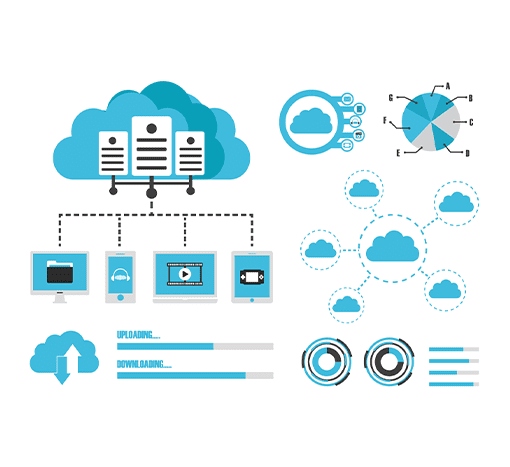
Cloud infrastructure management plays a vital role in efficiently allocating and delivering important resources wherever and whenever they are needed.
The user interface dashboard acts as a control panel for deploying, configuring, and managing cloud infrastructure.
- Efficient allocation and delivery of resources
- Dashboard-based cloud infrastructure control
- Benefits for developers and businesses
- Seamless cloud accessibility
- Support for clients and collaborators

Why Should I Control My Cloud Infrastructure?
Cloud infrastructure management is essential for maximizing the advantages of cloud computing while reducing unnecessary expenses and improving scalability.
- Flexibility, scalability, and cost savings
- Reduced wasted resources
- Effective multi-cloud management
- Optimized cloud investments
- Improved operational efficiency
What does cloud infrastructure management do?
Cloud infrastructure management oversees provisioning, deployment, monitoring, optimization, and scalability of cloud resources.
- 01Command center for cloud environments
- 02Tools for managing pooled resources
- 03Operational flexibility
- 04Agility while saving costs
- 05Multi-cloud and hybrid cloud strategies
- 06Supports smaller teams with web-scale services

Harness Techsaga's Advanced Cloud Infrastructure Services
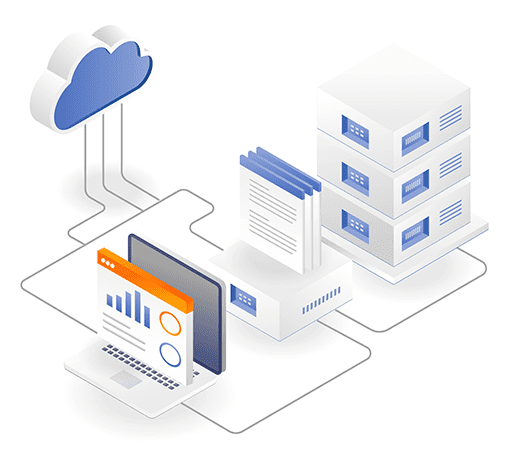
Techsaga provides scalable and reliable cloud infrastructure services that help businesses innovate, optimize costs, and improve operational efficiency.
- 01Enhanced agility and cost optimization
- 02Improved accessibility
- 03Efficient resource allocation
- 04Maximized ROI
- 05Innovation and digital transformation
Harness our Cutting-Edge Cloud Infrastructure
Optimize performance, scalability, and security with advanced cloud solutions built for modern businesses.
- ✓Cloud infrastructure includes hardware, software, and networking resources.
- ✓Provides a foundation for cloud applications and storage.
- ✓Supports remote access without on-premises infrastructure.
- ✓Enables efficient resource allocation and monitoring.
- ✓Improves scalability and operational performance.
- ✓Minimizes unnecessary operational costs.
- ✓Supports innovation and transformation.
- ✓Provides high availability and reliability.
- ✓Improves cloud investment returns.
- ✓Empowers businesses to scale efficiently.
Cloud Infrastructure Benefits
Scalability, flexibility, security, and cost-efficiency empower businesses to thrive in the digital era.

Scalability
Cloud infrastructure allows for easy scalability, enabling businesses to quickly and efficiently adjust their computing resources based on demand.

Cost Efficiency
With cloud infrastructure, businesses can avoid significant upfront investments in hardware and infrastructure while benefiting from pay-as-you-go models.

Accessibility & Flexibility
Cloud infrastructure enables users to access applications and data from anywhere with internet connectivity.

Reliability & High Availability
Redundant systems and multiple data centers ensure maximum uptime and operational continuity.

Security
Advanced security technologies, encryption, and compliance frameworks protect sensitive business data.

Simplified Management
Cloud infrastructure simplifies administration, monitoring, and deployment through advanced management tools.
Our Cloud Infrastructure Expertise
Unwind business potential through modern cloud infrastructure services.
Unwind Business Potential through Cloud Infrastructure
We provide bespoke cloud infrastructure solutions for startups, SMBs, and enterprises with scalable and secure architecture.

✦ What is cloud infrastructure service and how does it differ from traditional on-premises infrastructure?
Cloud infrastructure service refers to the provision of computing resources by a cloud service provider over the Internet instead of relying on physical on-premises infrastructure.
✦ What are the key benefits of adopting cloud infrastructure services?
Key benefits include scalability, cost efficiency, accessibility, flexibility, reliability, and enhanced security.
✦ How does cloud infrastructure ensure data security and compliance?
Cloud infrastructure uses encryption, authentication, access controls, and industry-standard compliance frameworks.
✦ Can cloud infrastructure integrate with existing systems?
Yes, cloud services provide APIs, tools, and compatibility features for seamless integration.
✦ How does cloud infrastructure handle scalability and resource management?
Cloud infrastructure dynamically allocates and scales resources based on business demand and workload.
Let's Get Started: Collaborating on Your Project
Flexible budget, customized approach, and seamless collaboration to ensure project success.

Transparent Pricing
Clear and upfront pricing without hidden charges.

Adaptive Hourly Engagement
Flexible collaboration tailored to project requirements.

Direct Recruitment
Hire top cloud experts directly for your business.